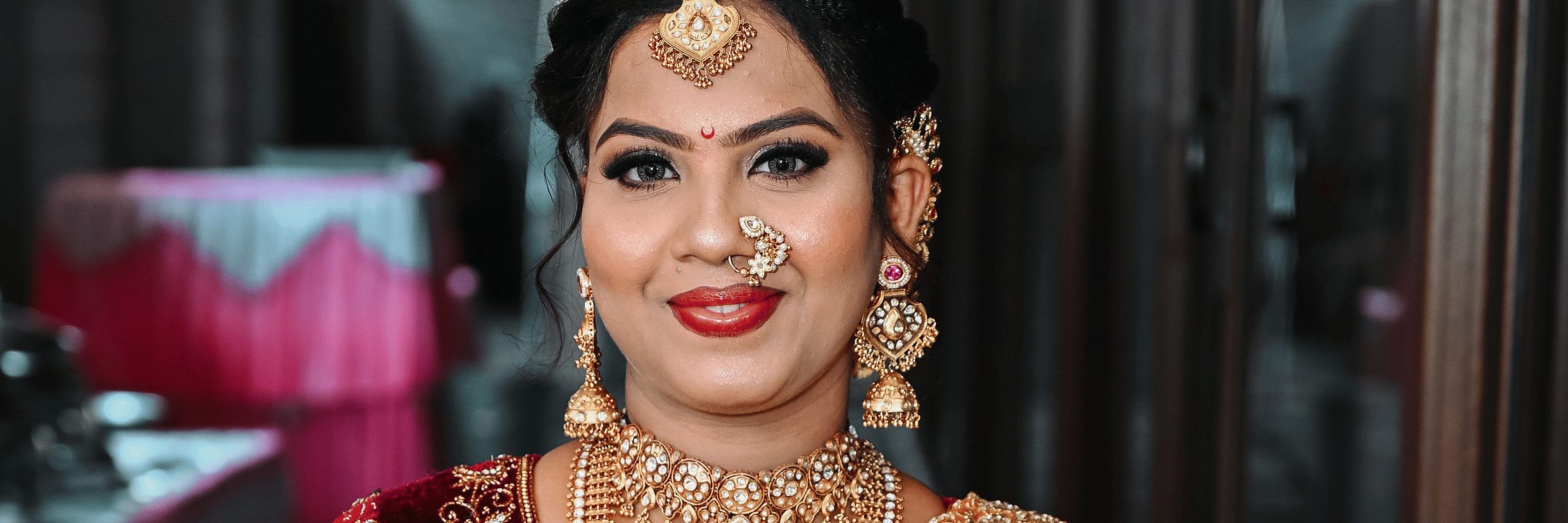
What Is a Traditional Maharashtrian Bridal Look? A Complete Guide to Timeless Elegance
A traditional Maharashtrian bridal look is a celebration of rich cultural heritage, vibrant handwoven silks, and graceful simplicity. Unlike heavy, ornate wedding styles that can sometimes overwhelm the wearer, the Maharashtrian bridal look for wedding ceremonies focuses on radiant skin, luminous gold and pearl jewellery, and distinctive attire that honours active, joyful traditions.
From the unmistakable crescent bindi to the nine-yard drape, every element carries deep meaning. Whether you are planning a classic morning ceremony or exploring the latest Maharashtrian bridal look with contemporary touches, understanding how the saree, ornaments, hair, and makeup come together helps you step into the mandap feeling regal and comfortable.
Iconic Sarees: The Nauvari and Handwoven Paithani
The foundation of a Maharashtrian bridal look in saree is defined by vibrant colour and master craftsmanship. Rather than opting only for crimson, Marathi brides traditionally wear auspicious shades like golden yellow, emerald green, bright saffron, royal purple, or rich magenta.
The Nauvari Drape
A signature Maharashtrian bridal Nauvari look features a nine-yard silk saree draped in the traditional Kasta style, tucked neatly at the back like a dhoti. Historically designed to give women complete freedom of movement, the Nauvari creates a structured, statuesque silhouette that requires no petticoat and stays secure through every ritual.
Paithani and Shalu Silks
Many brides also choose a six-yard or nine-yard Paithani or Banarasi Shalu saree. Handwoven with pure silk and intricate gold zari borders, a Paithani is famous for its shimmering peacock, lotus, or parrot motifs on the pallu.
Because the Nauvari pleating and heavy zari borders sit closely around the neckline and waist, coordinating your draping with your makeup and hair team is essential. Booking bridal styling and makeup at our salon ensures your saree pleats, hair pins, and jewellery sit harmoniously without pulling or shifting during the ceremony.
Signature Jewellery That Defines the Marathi Bride
Maharashtrian bridal jewellery blends the warmth of yellow gold with the soft elegance of white pearls and ruby accents:
- The Brahmani Nath: This iconic cashew-shaped nose ring is woven with delicate pearls and a central pink or ruby stone, framing the bride's smile.
- Mundavalya: Two vertical strings of pearls or golden beads tied across the forehead and hanging gently beside the temples signify that the bride and groom are ready for the sacred marriage vows.
- Thushi and Kolhapuri Saaj: A tightly woven gold bead choker called the Thushi sits high on the neck, paired with the longer Kolhapuri Saaj crafted with auspicious heritage motifs.
- Hirva Chooda: Odd-numbered stacks of dark green glass bangles symbolise prosperity and new beginnings, framed by carved gold bangles known as Patlya and Tode.
- Vaaki and Kamarband: Gold armlets worn on the upper arms and a structured gold waist belt complete the royal silhouette while holding the saree pallu neatly in place.
The Classic Maharashtrian Bridal Makeup Look and Hairstyle
A balanced Maharashtrian bridal makeup look highlights the bride's natural glow so her vibrant saree and pearl ornaments remain the stars of the ensemble.
Dewy Skin and Expressive Eyes
Since many Marathi weddings take place during the morning or early afternoon, heavy, cakey foundations can look unnatural in daylight. The best Maharashtrian bridal look relies on a smooth, luminous base, soft golden or bronze eyeshadow, defined winged eyeliner, and a bold red, maroon, or coral lip that mirrors the saree border.
The Chandrakor Bindi
No Marathi bridal face is complete without the Chandrakor, a striking crescent-moon red bindi placed neatly above the brow line. Its sharp curve adds instant grace and frames the eyes in close-up portraits.
The Traditional Khopa Bun with Gajra
Hair is typically styled into a neat, sculpted low bun known as a Khopa or a long, structured braid. Encircling the bun with fragrant fresh mogra or jasmine gajras and tucking in gold hair pins keeps the neck cool while supporting the Mundavalya ties.
Since Marathi wedding ceremonies often begin early in the day and move between warm mandaps and outdoor courtyards, climate-proof styling is vital. When planning a wedding with our bridal makeup artists in Mumbai, lightweight, sweat-resistant primers and anti-humidity hair sprays keep coastal moisture from softening your bun or smudging your Chandrakor bindi.
Preparing Your Skin and Hair for a Morning Ceremony
Daylight weddings leave nowhere for tired or dehydrated skin to hide. Starting a gentle pre-bridal routine a few weeks ahead helps your skin hold a natural, lit-from-within sheen on the big day.
Brides scheduling their pre-wedding care at our luxury salon in Raipur often focus on deep hydration facials and soothing hair spas so dry, sunny weather never dulls their complexion or silk-like hair texture before the rituals.
Similarly, if you are celebrating in a region with fluctuating rain and moisture, our wedding beauty specialists in Guwahati use breathable, water-resistant base layers and moisture-shielding hair balms so your saree look stays crisp from the Antarpat ceremony to the final blessing.
Celebrate Your Heritage with Timeless Grace
A traditional Maharashtrian bridal look brings together centuries of artistry through vibrant Paithani silk, pearl-studded gold ornaments, and luminous, understated beauty. By balancing these cultural classics with thoughtful skin preparation and weather-ready styling, you will shine effortlessly through every cherished moment of your wedding day.