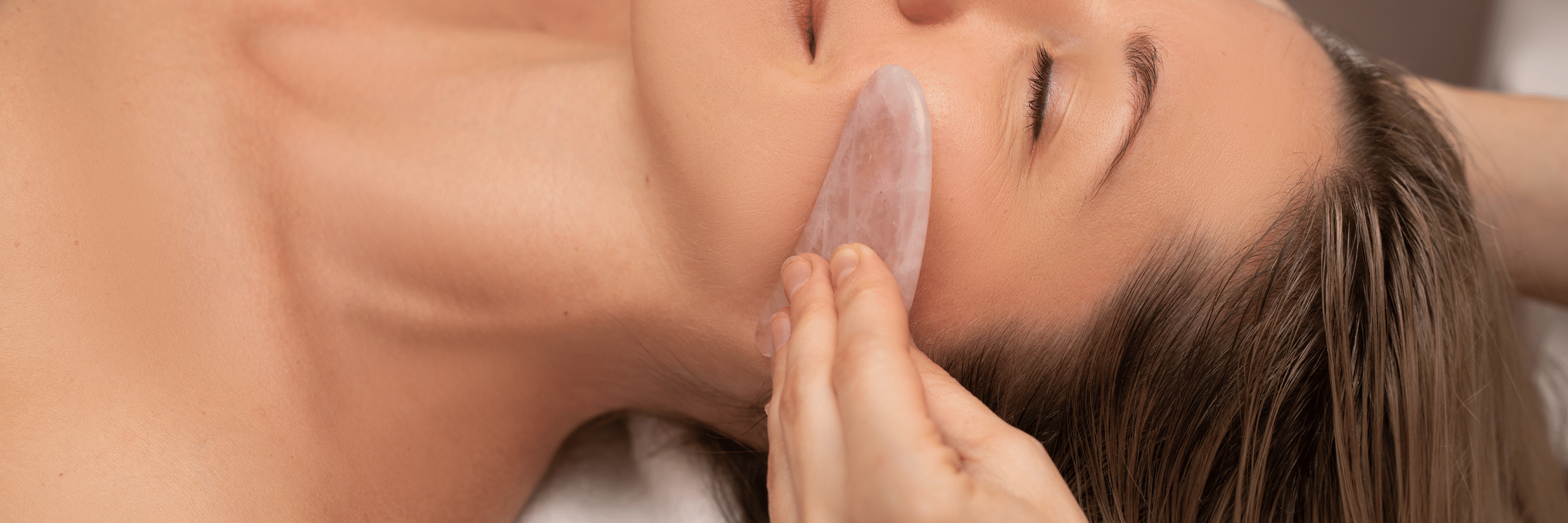
Sculpted Face: Why Everyone Is Searching for This Look in 2026
The sculpted face has become one of the defining beauty searches of 2026. Across red carpets, luxury campaigns, and social feeds, the shift is obvious, people no longer want a face that looks overfilled or artificially padded. They want structure, calm proportions, and a look that reads as refined rather than obvious.
That shift is bigger than a passing trend. It reflects fatigue with heavy volume and a clear move towards quiet luxury, natural contours, and visible skin health. For IOSIS, this is where the conversation gets useful, because a sculpted face is not about adding more, it is about revealing better structure through the right mix of skin care, facial release, and climate-aware treatment planning.
Why The Sculpted Face Trend is Growing
The sculpted face trend is growing because the market has changed. Clients are now more selective about what looks current, believable, and elegant, and the old overfilled aesthetic has started to feel dated..
There are three reasons this matters:
- Consumers want results that look natural, not manufactured.
- The ideal face in 2026 is defined by contour, not excess.
- Quiet luxury has shifted beauty language towards restraint, polish, and control.
What Actually Creates a Sculpted Look
A sculpted appearance does not come from one single treatment or one viral product. In most cases, it comes from two visible mechanisms working together: better fluid management and better muscle release.
Lymphatic fluid drainage
When fluid retention is reduced, the face instantly looks cleaner and more defined. This is especially noticeable around the cheeks, under-eyes, jawline, and mid-face, where stagnation can blur natural contours. This is why many people misread the sculpted look as “bone structure”. In reality, they are often seeing less swelling, better drainage, and a more refined skin surface.
Facial muscle relaxation
Jaw clenching, stress tension, and screen fatigue can make the lower face look squared off or heavy. Releasing that tension softens the face and restores a more elegant outline. This is one reason IOSIS focuses on therapies that support relaxation and recovery, not just surface-level beauty. Treatments such as spa massage therapies can help reduce the overall tension load that affects the face as well as the body.
Who Benefits Most from This Trend
The sculpted face trend is not just for one type of client. It is especially relevant for people who want a cleaner, more anatomical result without looking overtreated.
The most obvious beneficiaries are:
- Clients with filler fatigue who want a softer, more natural finish.
- Desk professionals who clench their jaw and carry stress in the lower face.
- Frequent travellers who wake up with puffiness, fatigue, and fluid retention.
- Clients in the 25 to 35 age bracket who want prejuvenation rather than correction.
Why Climate Changes the Result
A sculpted face does not respond the same way in every city. Climate affects fluid retention, barrier strength, surface congestion, and how the face carries stress.
That is why IOSIS’s multi-city footprint matters. In humid markets such as Mumbai and Guwahati, moisture in the air can lock in heaviness, trap pollutants, and make puffiness more visible. In a drier market such as Raipur, the issue is often different, more irritation, more surface stress, and faster ageing signals from environmental exposure.
This is exactly where a one-size-fits-all routine fails. If the barrier is stressed, sculpting starts with skin recovery. If the body is holding tension, facial contour work is more effective when paired with broader relaxation. That is why the IOSIS approach uses a Fusion of 4 framework, Skin, Salon, Spa, and Slimming, rather than treating the face in isolation.
The IOSIS Approach to Sculpted Beauty
At IOSIS, the sculpted face trend is treated as a clinical and aesthetic issue, not just a social media look. That means the starting point is diagnosis, not assumption.
A polished result may involve:
- Barrier support before contour work
- De-puffing before event-ready styling.
- Body relaxation before facial refinement.
- Climate-aware treatment sequencing based on city conditions.
Sculpting Facial VS Regular Facial
The sculpted face trend is largely a reaction against the overfilled look. That older approach often created fullness without proportion, volume without structure, and surface smoothness without elegance.
A sculpted face, by contrast, aims for:
- Clearer jawline definition.
- Less visible puffiness.
- More natural facial architecture.
- A refined, undetectable finish.